 Revolutionizing · Modernizing · Simplifying
Revolutionizing · Modernizing · Simplifying
Revolutionizing · Modernizing · Simplifying
Two and a half million dollars is a lot of paint.
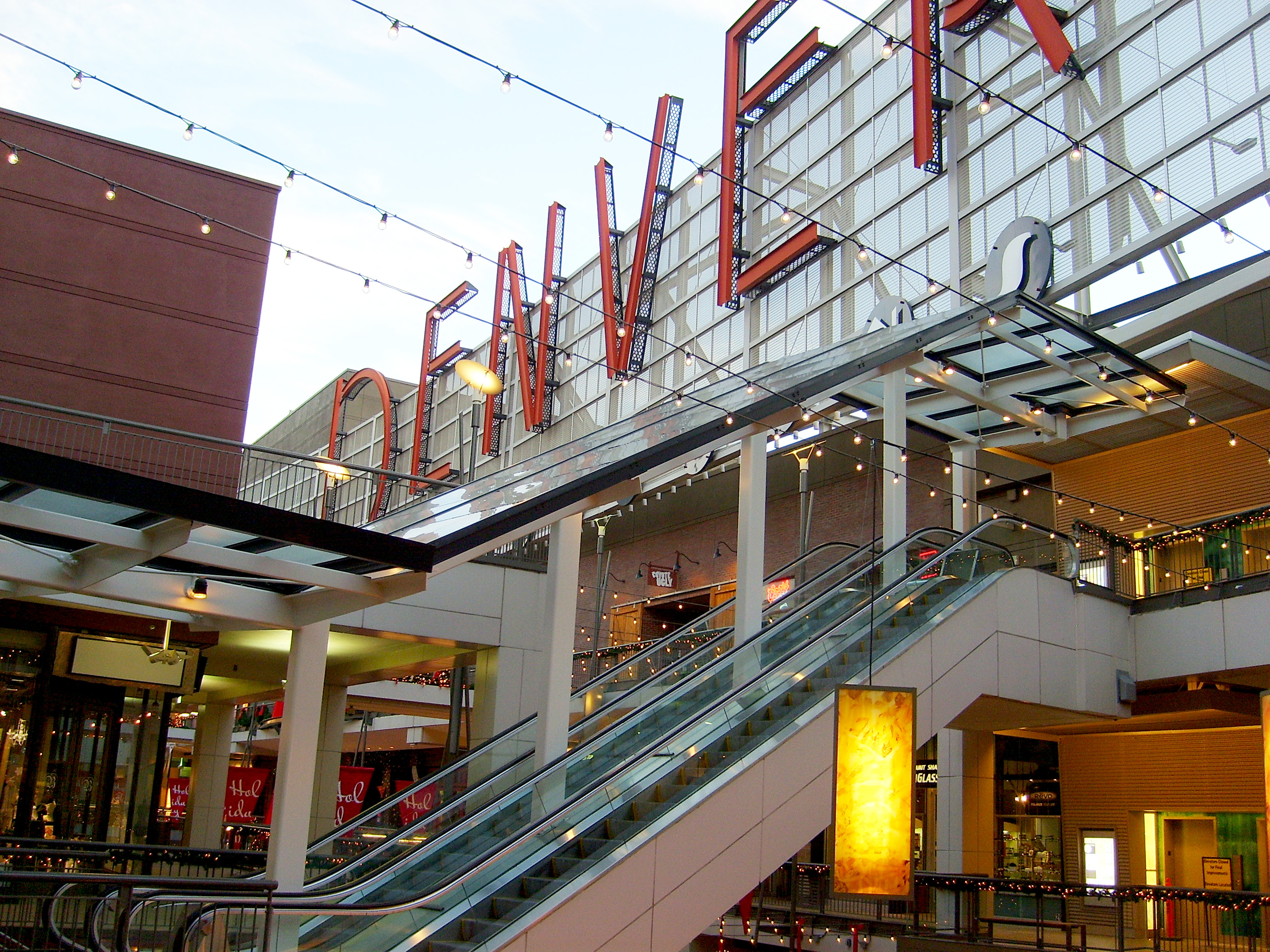
That is roughly what the new owners of the Denver Pavilions just approved, about
So here is the thing. When somebody writes a check that size for a downtown retail property, they are not doing it out of nostalgia. They are making a bet. And the bet is that downtown Denver is on the way back up.
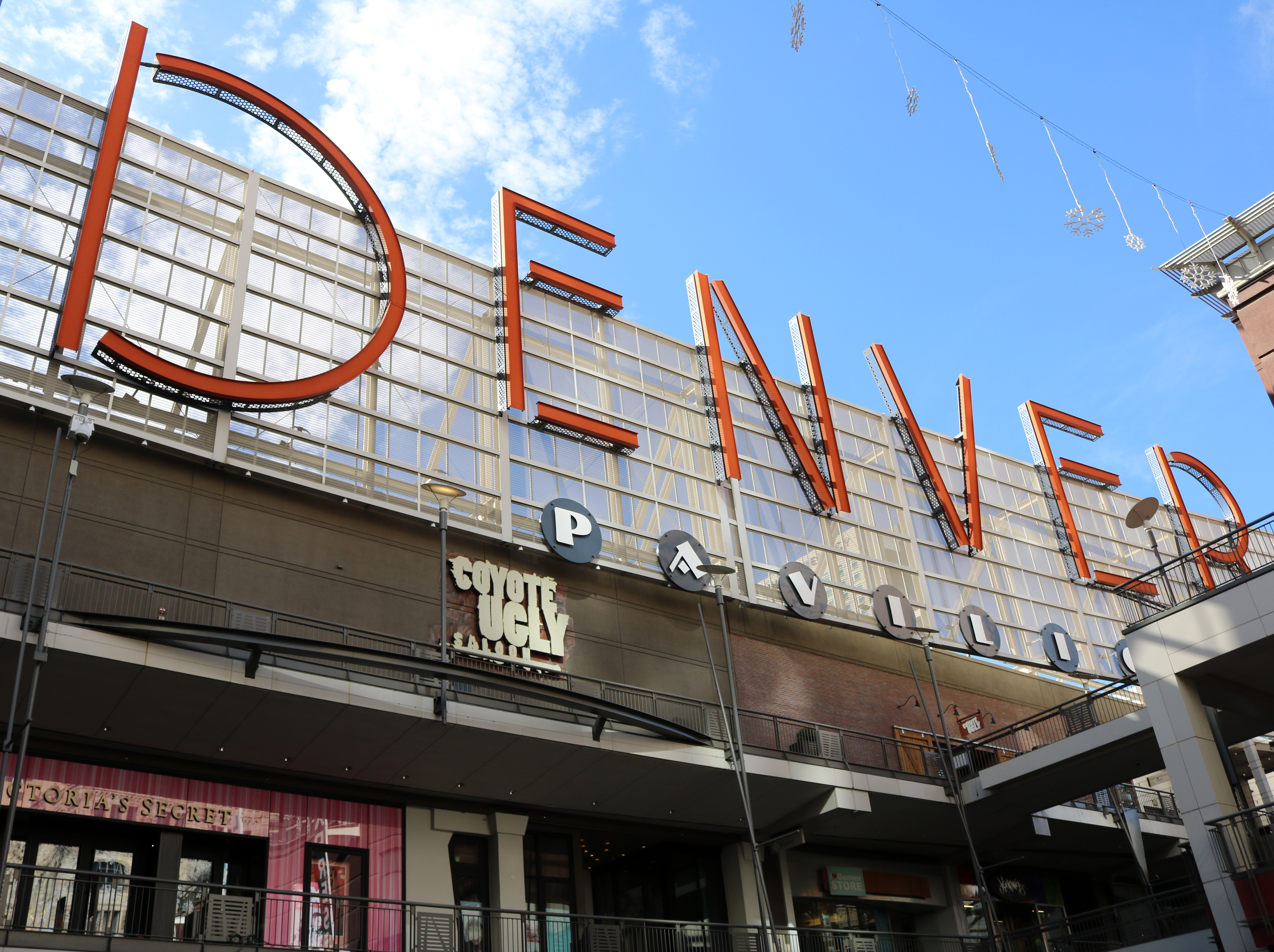
If you have spent any time downtown, you know the Pavilions. It is the big open-air center on 16th Street, the one with the shops and the movie theater and the restaurants stacked up over a couple of blocks. It has always been the most visible retail anchor on the corridor. When it is humming, downtown feels alive. When it is half empty, everybody notices.
That is exactly why this reinvestment is worth your attention. It is not some quiet office building getting new carpet. This is the front porch of downtown Denver, and the new owners are the ones putting up the cash to spruce it up.
The improvements target the 16th Street corridor specifically, which tells you where their heads are at. They are not spreading this money thin. They are pointing it straight at the street that just got rebuilt.
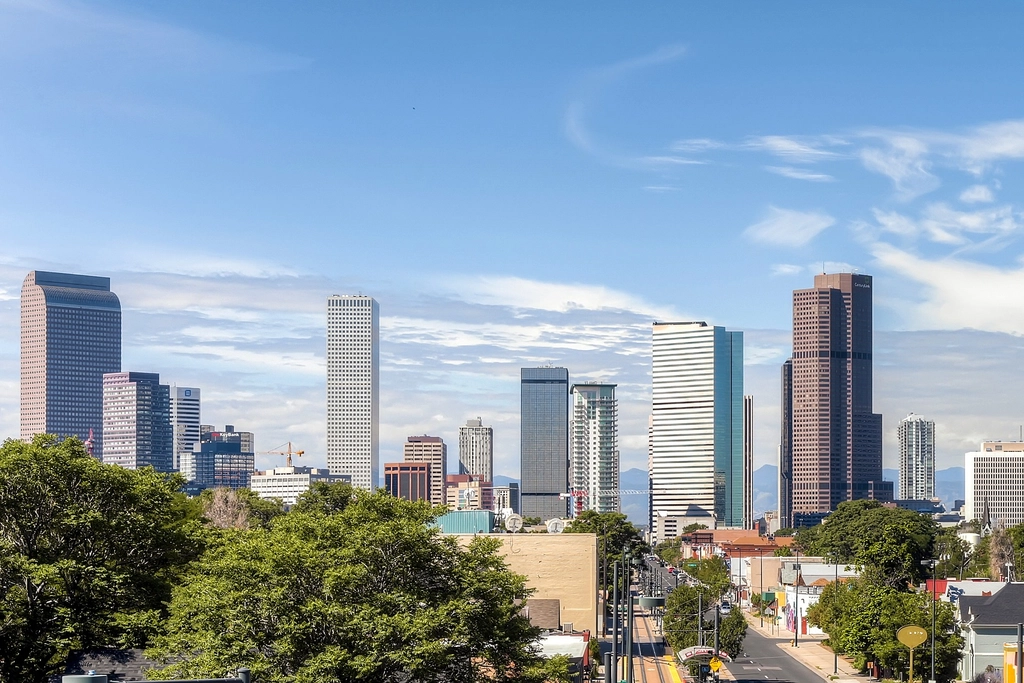
Look, the 16th Street Mall reconstruction was a slog. Multi-year. The kind of project where the barricades become part of the scenery and you stop expecting it to ever end. It finally reopened, and now you have a fresh corridor instead of a construction zone.
That is the setup the Pavilions' owners are walking into. New street, new money, same address. If you are going to pour
But here is where I want to be honest with you, because this is the part people miss.
CPR put it in a way that stuck with me. They called it "a tale of two downtowns."
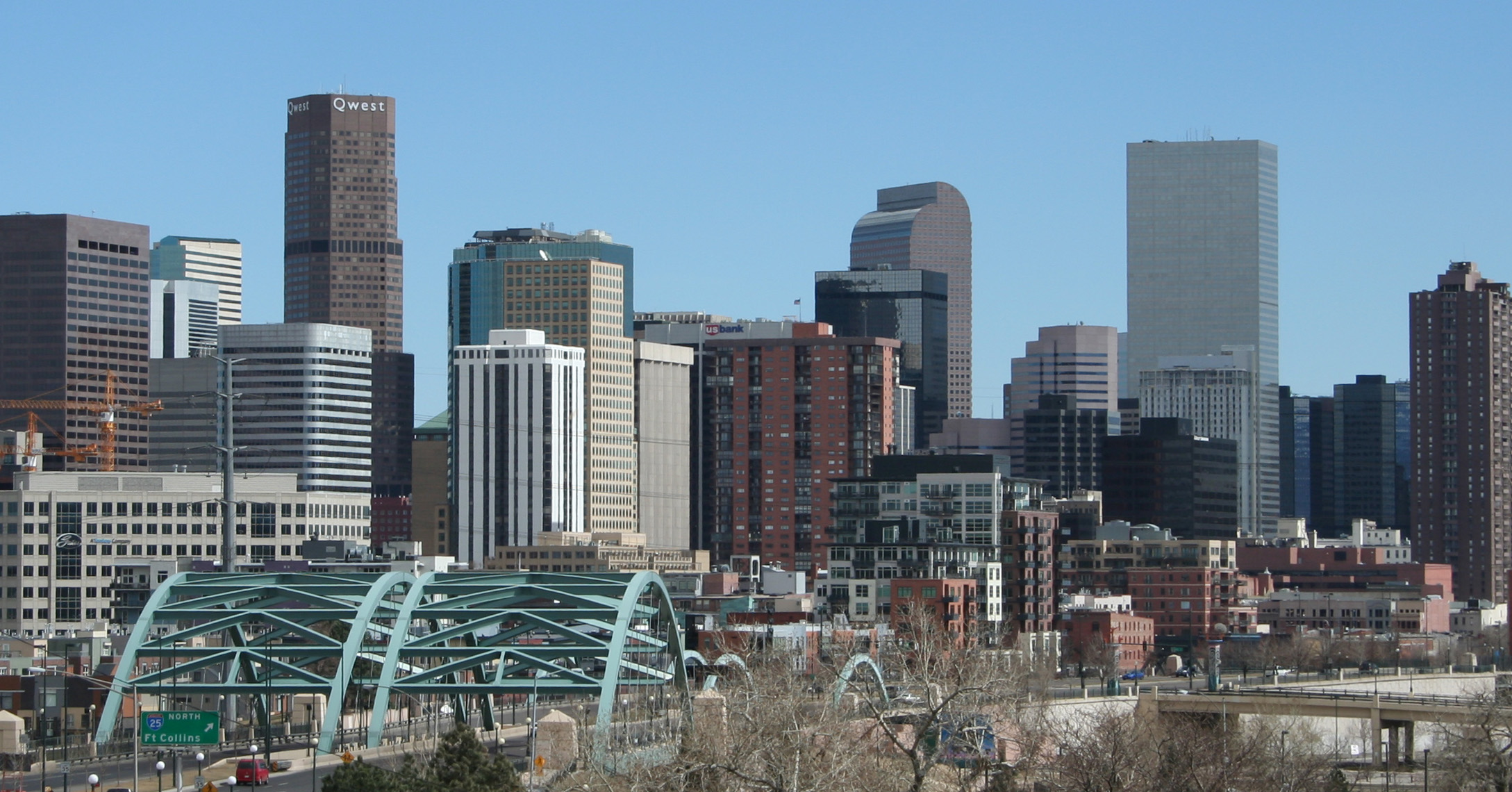
On one side you have lower downtown, LoDo, which is genuinely doing well. The economy down there is strong and retail is filling up much of the available space. Not all of it, but a lot. That is the healthy Denver you picture in your head.
Then you have the rest of the core, which is a different story. And that gap is exactly the tension inside this whole Pavilions bet. Is the Pavilions going to catch the LoDo momentum and pull the middle of downtown up with it? Or is
That is the real test here. This is a concrete, dollars-on-the-table experiment in whether the city center is actually bouncing back or just looks better with the fences gone.
Now let me zoom out, because downtown does not exist in a bubble and neither does the money flowing into it.
The median home price in Denver, still the biggest housing market in the state, is sitting around $616,000 as of last summer. That is the backdrop for everybody deciding whether to live, work, or open a business near the core.
And Colorado has gotten expensive in a way that is showing up in the data. The state's housing premium over the national average hit 27% in 2024. Back in 2010 that number was 12%. So in about a decade and a half we more than doubled the gap between what it costs to be here versus the rest of the country. That is not nothing. That is the kind of pressure that changes who can afford to stay.
Which brings me to the part that actually worries me for downtown. In 2023, Colorado's net domestic migration turned negative. More people moving out than in, and we were the only state among our peers to see that happen that year. Fewer people means less demand for exactly the kind of shops and restaurants a place like the Pavilions is banking on.
And the city itself is feeling it. Denver had to cut its budget in 2025, including laying off 171 city employees. When the city that owns the streets and runs the services is trimming that hard, the stakes for downtown coming back are not abstract. They are fiscal, and they are real.
Honestly? I lean yes, with my eyes open.
Somebody with skin in the game looked at the rebuilt 16th Street, looked at what LoDo is proving is possible, and decided the middle of downtown is worth .7 million right now. That is a vote of confidence you cannot fake, and it is a lot more convincing than any press release about "the return of downtown."
But the migration numbers and the cost-of-living gap are still sitting there, and they are not going away because the road looks nice. The Pavilions is the test case. If fresh money on a rebuilt street can fill those storefronts, downtown has its answer. If it cannot, we will know that too.
Either way, it is the most honest thing happening on 16th Street right now. Somebody put real money where the recovery is supposed to be. We get to watch whether it works.