 Revolutionizing · Modernizing · Simplifying
Revolutionizing · Modernizing · Simplifying
Revolutionizing · Modernizing · Simplifying
Fossil hunters blowing up dinosaur beds with dynamite. In Colorado. Not in a movie, not in a comic book, in Fremont County, near Cañon City, in the actual 1800s.
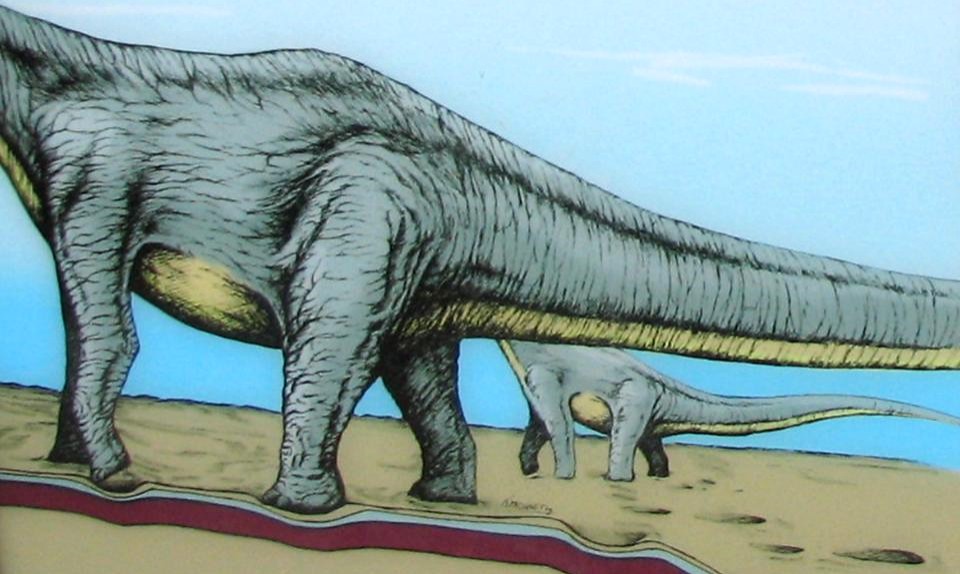
That is not the version of Colorado history most of us got in fourth grade. We got gold. We got Pikes Peak or Bust painted on the side of a wagon. And that is fine, but here is the thing. It is a tiny slice of a much stranger, much richer story, and there is a guy at MSU Denver right now who is putting the whole thing down on paper for the first time in about half a century.
His name is Derek Everett, Ph.D. He is a senior lecturer in MSU Denver's History Department, he is a Colorado native, and he is writing the first new narrative history of Colorado in roughly 50 years. Think about that number. Fifty years. The last time somebody sat down and told this story start to finish, disco was a going concern. Everett is doing it in partnership with History Colorado and the University Press of Colorado, pulling in decades of scholarship that simply did not exist the last time around. Amanda Schwengel photographed him for this piece over at the Colorado History Center, which feels about right.
The timing is not an accident either. Colorado hits its 150th anniversary of statehood on Aug. 1, 2026, and there are celebrations lining up across the state. So this is the moment. Buckle up.
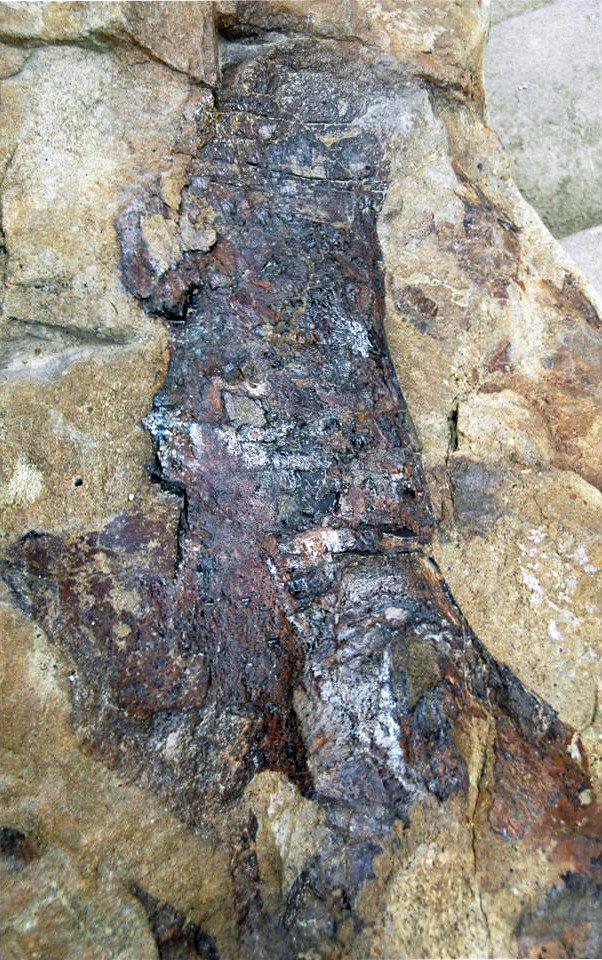
Let me go back to the dynamite, because I cannot get past it.
In the late 1800s there was a fossil-hunting rivalry so vicious that historians literally call it the Bone Wars. Rival expeditions were not just competing. They were sabotaging each other. Everett says it got so intense that around Cañon City the hunters destroyed competing excavation sites, used dynamite to blow up fossil beds, and intentionally ruined discoveries so rival museums could not claim them.
Read that again. They blew up dinosaur bones on purpose. Not to study them. To make sure the other guy could not have them. It is the pettiest, most spectacular thing I have heard about Colorado in a long time, and it happened right down I-25 from where most of us buy groceries.
That is the kind of story that has been sitting in plain sight this whole time.
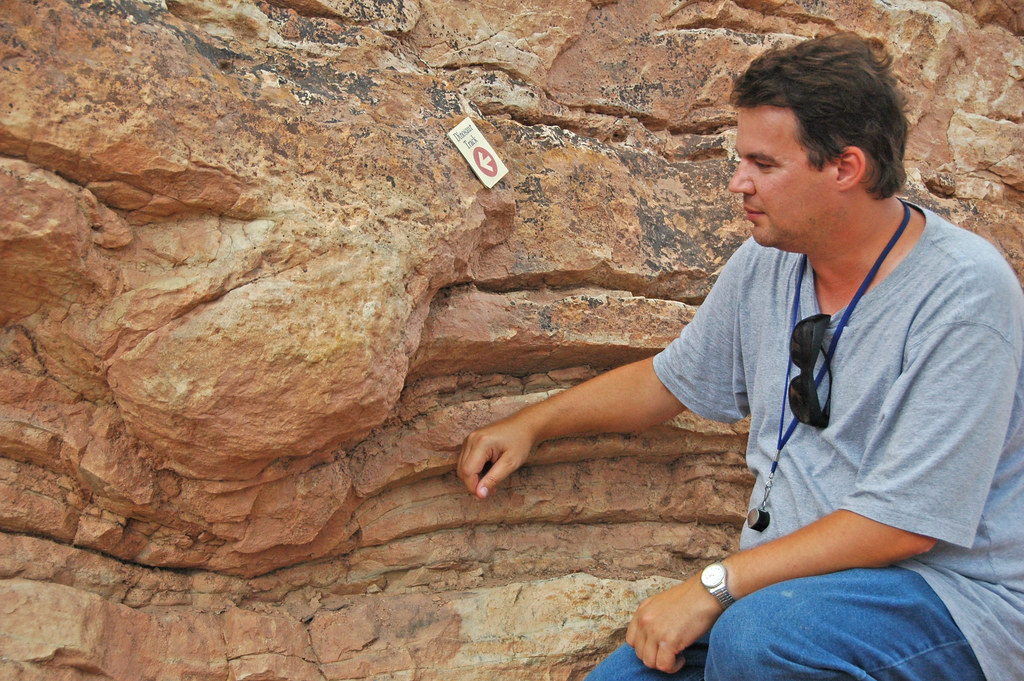
Here is the part people miss.
We treat the Pikes Peak Gold Rush like the opening scene of the whole movie. Everett pushes back on that hard. The story was already well underway before anybody found color in a creek.
Go back to the early 1840s, nearly two decades before the gold rush. Explorer John C. Frémont was traveling along the South Platte River, and what he documented does not look anything like the empty-frontier picture we carry around. In a single day, Frémont ran into James Beckwourth, a formerly enslaved mountain man, Hispano fur traders, Indigenous families, New England settlers, and mixed-race families whose histories on this land stretched back generations.
One day. One stretch of river. That is not a blank map waiting for prospectors. That is a place that was already crowded with people, cultures, and complicated histories long before statehood was a twinkle in anybody's eye. Most people do not realize how diverse Colorado already was, and that is exactly the kind of thing a fresh telling of the story can put back on the table.
So why does the story keep changing? Everett has a clean answer for that. He frames history as interpretation, and interpretations change because the questions we ask about the past change.
That is the whole ballgame right there. The bones did not move. Frémont's journals did not rewrite themselves. But the questions did. Fifty years ago people were asking one set of questions. Now we are asking different ones, about who was actually here, about whose stories got left out, and you get a different Colorado when you do.
Everett is not some outsider parachuting in to tell us about ourselves either. He graduated from Arvada West High School. He holds a B.A. from Western State College of Colorado and an M.A. from Colorado State University, and he earned his doctorate in history at the University of Arkansas. He has already published three books, including 'The Colorado State Capitol: History, Politics, Preservation' in 2005, 'Creating the American West' in 2014, and 'Colorado Day by Day' in 2020. The Capitol book alone should tell you this is a guy who takes the buildings and the ground seriously.
Look, I write about neighborhoods and home prices and where to eat all day. And the reason I care about a book like this is simple. The ground under all of it has a story, and most of us are walking around on top of it without a clue.
The house you are looking at in Cañon City sits near beds that people literally fought a war over. The subdivision along the South Platte is on land that had Beckwourth and Hispano traders and Indigenous families crossing paths generations before the first plat map. That is not trivia. That is context, and context is the thing that makes a place feel like home instead of just an address.
Colorado turns 150 on Aug. 1. Everett is handing us a new way to read all of it. Honestly, if you ask me, it is about time.