Real Estate
Million Market Just Flipped to Buyers Revolutionizing · Modernizing · Simplifying
For most of the 20th century, if you wanted to buy or sell cattle in this part of the country, you ended up at 4701 N. Marion Street. The Denver Livestock Exchange, a nonprofit, ran the sales out of that building from 1906 all the way to 1962. Ranchers, buyers, bankers, the whole cowtown machine. Prices went up on a chalkboard. Deals got done.
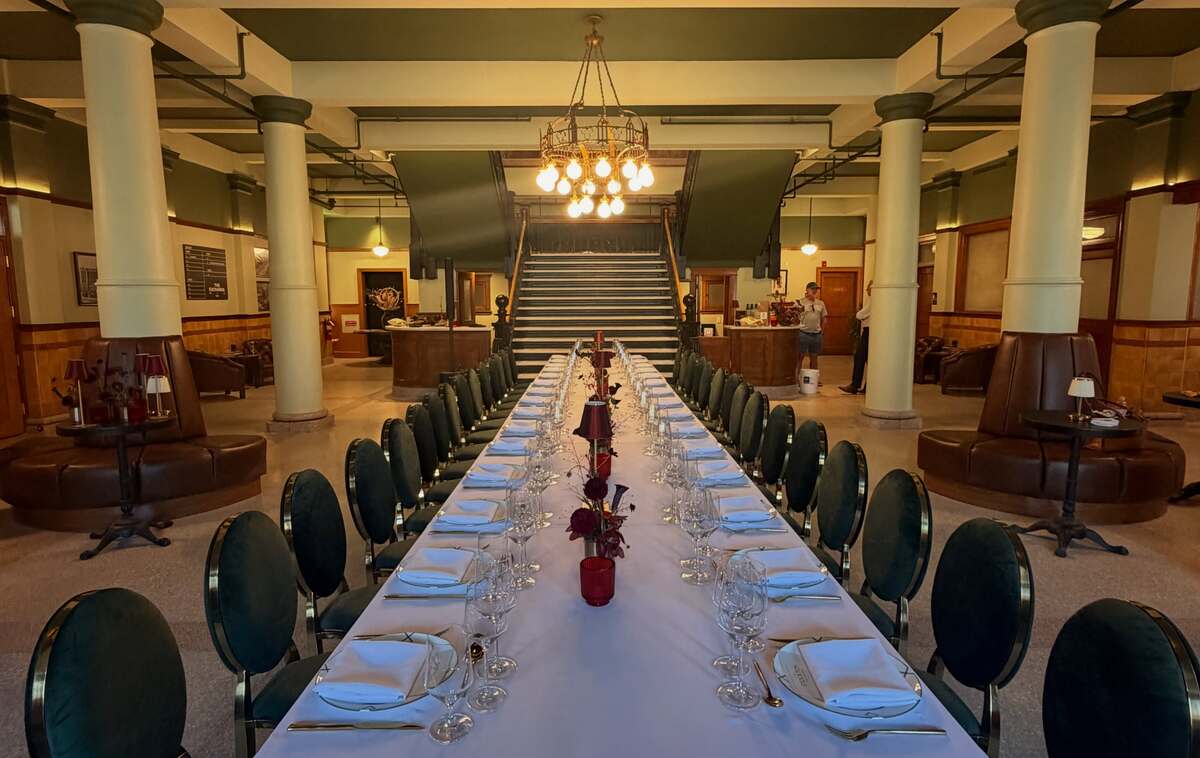
Now you can order a steak in the same room.
That is the part people miss about what is happening at the National Western Center right now. This is not a themed restaurant borrowing some old west set dressing. This is the actual building where Denver's beef economy lived, and the steak on your plate is the whole point.
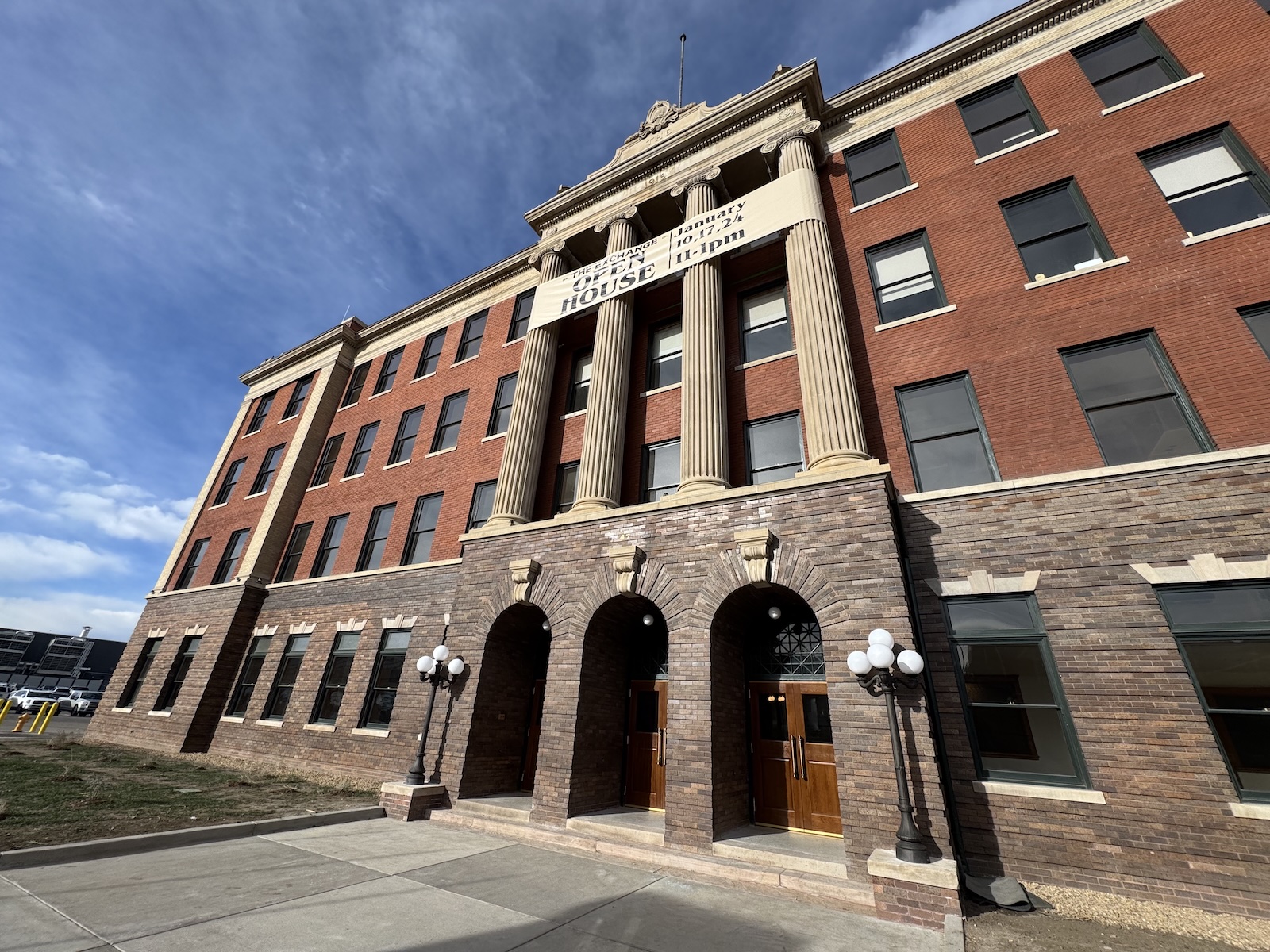
It is called The Stockton. A Colorado-forward steakhouse opening this month inside The Exchange at the National Western Center. The website lists November 2026 as the anticipated opening, and they are hiring right now.
Here is the detail that got me. The Stockton sits in the former Stock Yards National Bank space. So the room where cattle money moved is now the dining room. And they kept it. Leather banquettes, coffered ceilings, and the original penny-tile floor, all preserved. You are eating inside the bank.
The man behind it is Bryan Dayton of Half Eaten Cookie Hospitality. If you have eaten out in Denver or Boulder at all, you know the portfolio. Corrida. OAK at Fourteenth. BriDer. Acorn. Bellota. C Burger. C Bar. The guy knows what he is doing.
And the beef is not an afterthought. The Stockton leans heavily on regeneratively raised beef from Dayton's own Corrida Cattle Co., which partners with ranchers working on soil, water, and biodiversity. So the thing this building was built to trade, cattle, is coming right back to the table, just raised a different way.
Dayton has talked about planning "theatrics" beyond the usual tableside cocktail carts and a prime rib station. I do not have the details on what that means yet, but when a restaurateur says theatrics, I pay attention. The elegant first-floor lobby is going to serve as the waiting room. Which, honestly, is a flex. Most places make you wait by the host stand. Here you wait in a restored 1898 lobby.
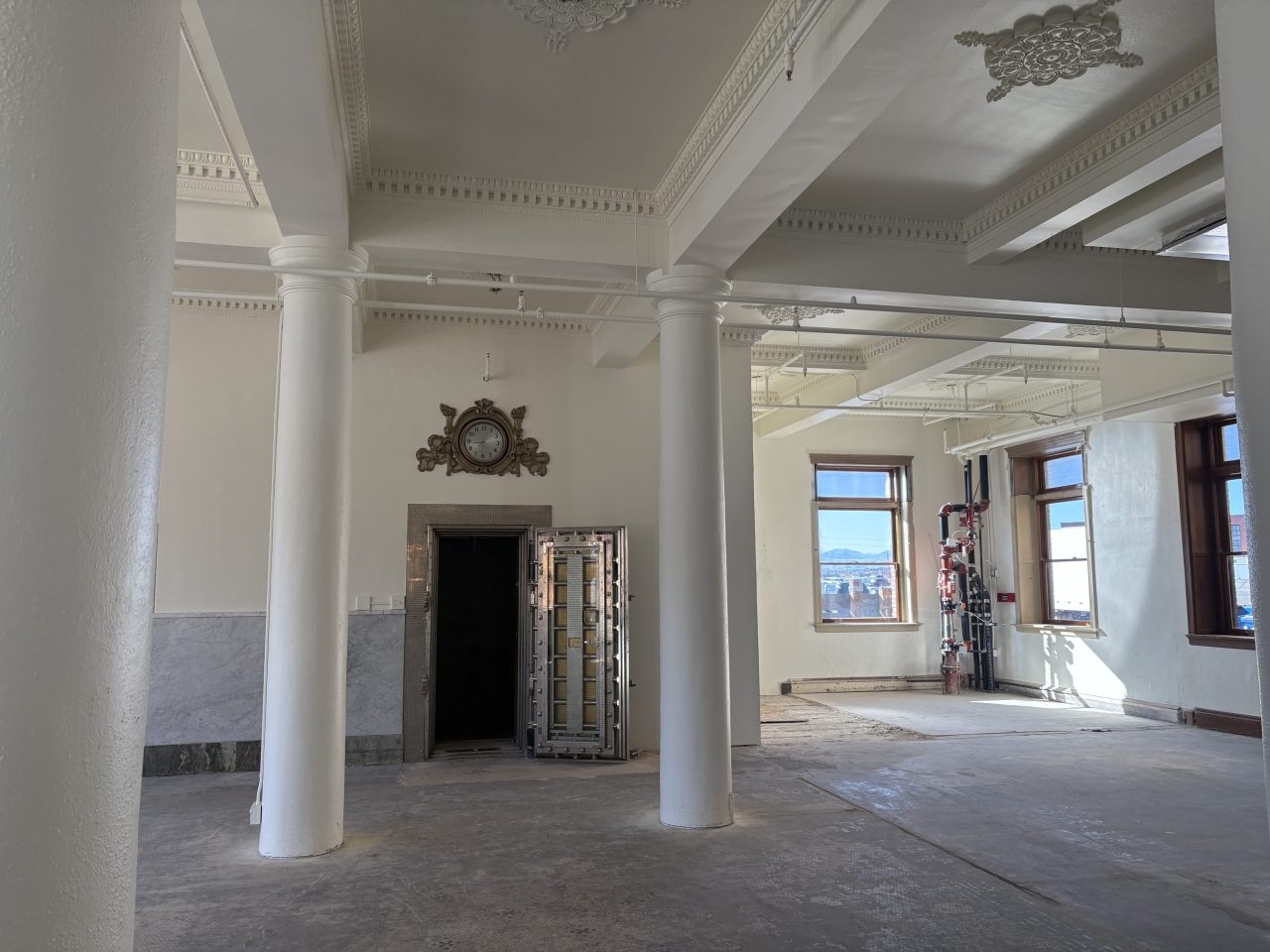
The Livestock Exchange Building is really three connected wings, built in three phases. The first wing went up in 1898. Then additions in 1916 and 1919. So this thing grew right alongside the stockyards it served.
It was not always headed in a good direction. The City of Denver bought the whole complex for
Then came the money. More than
And they did it right. The restored second-floor hall still has the old chalkboard trading board where livestock prices were listed. Think about that. The actual board. In November 2022 the building got designated a Denver historic landmark, and it was honored as a 2026 Historic Denver project.
It is not all finished, though. The oldest wing, the 1898 one, suffered a devastating fire years ago and is still an interior gut job. So there is history here, and there is also unfinished business.
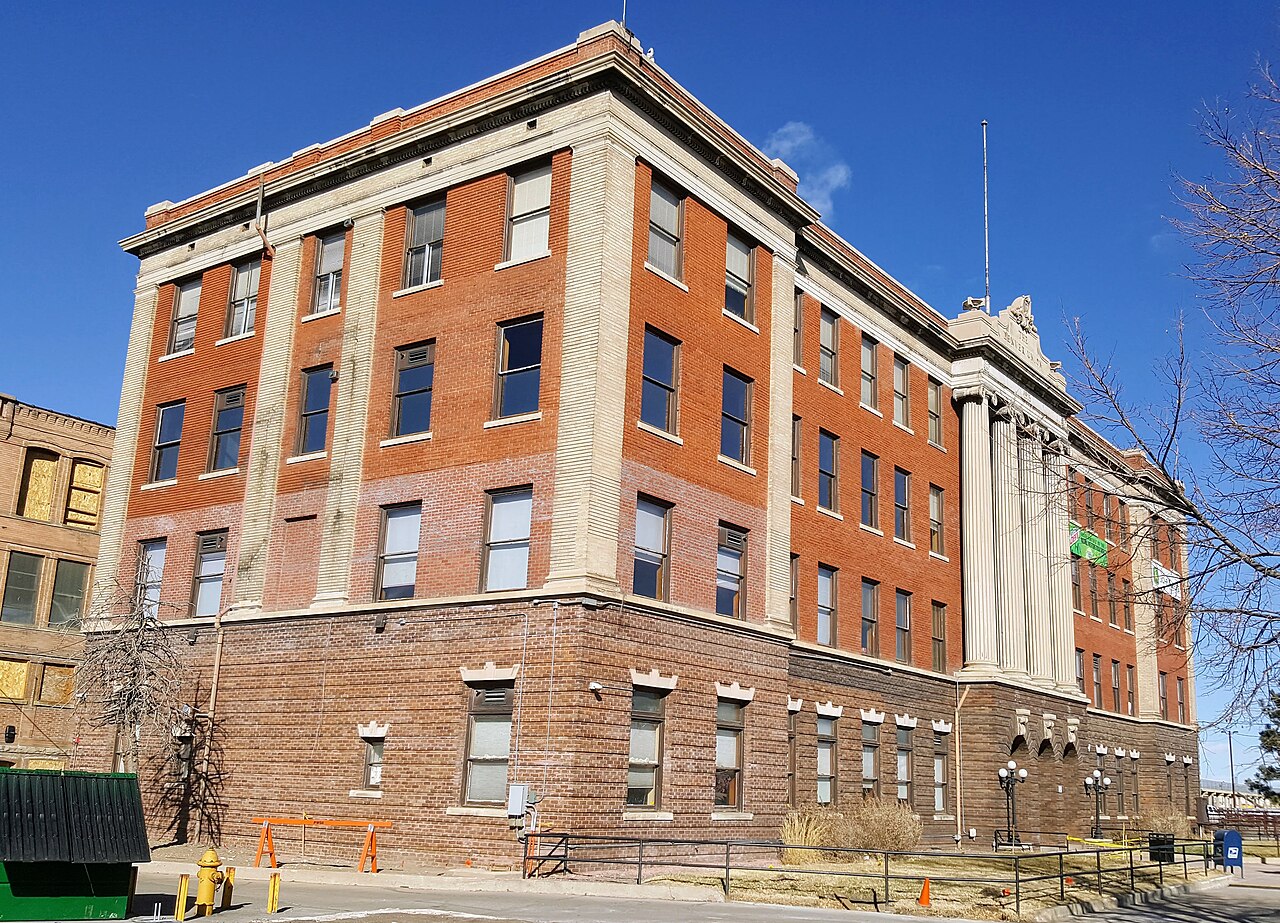
Here is the human part that I love. The Colorado Cattlemen's Association, the oldest statewide cattlemen's association in the entire country, was headquartered in this building from 1950 to 1991. They left. And now they are back. Same building. After more than three decades.
That is the kind of full-circle thing you cannot fake. The organization that represented Colorado ranchers for generations is back inside the exchange that set the prices for their cattle.
Zoom out and this is one piece of a roughly
So from a real estate standpoint, the Globeville and Elyria-Swansea side of the National Western has been one of the areas people around here keep an eye on. You take a
But forget the investment angle for a second. The simplest version is the best version. Denver was a cowtown. The cattle built this city. And now, in the exact room where those deals happened, you can sit down on a leather banquette, look up at a coffered ceiling, and order a steak raised the way Colorado is trying to raise cattle going forward.
That is about as Radically Colorado as a dinner reservation gets.